
Search Images
Browse Content (p. 1540)

Image
Magadha Kingdom
A map showing the extent of the ancient kingdom of Magadha in India from the 6th to 4th century BCE.

Image
Traditional Korean Dance Group Using Fans
Members of Nanuri, a traditional Korean dance group performing with fans. Traditional Korean fans often employed the fine quality Korean paper hanji, still made today.
Image
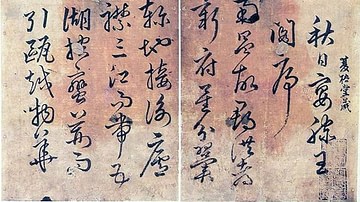
Korean Calligraphy
An example of Korean calligraphy by one of the nation's most renowned calligraphers Han Ho (penname Han Seok-bong) titled "Jeungryu yeojang seochep" (1543~1605). Very often the finest calligraphy was done on hanji, the traditional...
Image
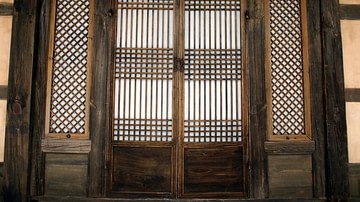
Korean Hanji Paper Doors
Traditional door and windows of a Korean hanok house using hanji paper. Andong City, Gyeongsangbuk-do, South Korea

Image
Athenian Tribute List, 440 BCE
Athenian Tribute List Annus 15, 440 BCE
Image
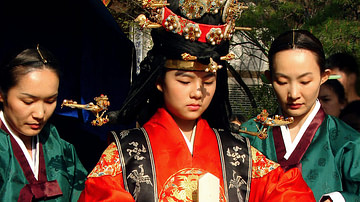
Korean Royal Wedding Re-enactment
A modern re-enactment of a traditional Korean wedding. Such richly embroidered clothes could only be worn by women of the royal or ‘sacred bone’ (seonggol) class in the Korean bone rank system used in the Silla period...
Image
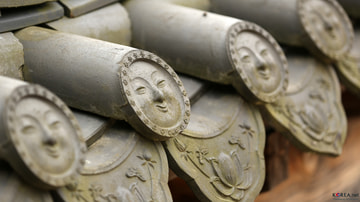
Traditional Korean Roof Tiles
Ceramic traditional roof tiles from Korea. Not only did tiles have a functional and decorative role but they were also indicators of the inhabitants higher social status. (Hwangjeon-ri, Masan-myeon, Gurye-gun, Jeollanam-do...
Image
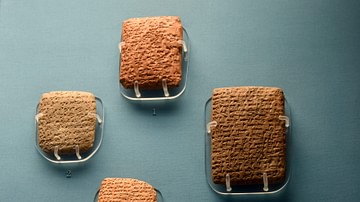
The Amarna Letters
These clay tablets (letters) were found in the ruins of Akhenaten's capital, Tell el-Amarna, Egypt. They were inscribed with Babylonian cuneiform inscriptions, not hieroglyphs. The letters represent the diplomatic correspondence...

Image
Pottery Jar from Ninevite V Period
This pottery jar was handmade and painted. It is carinated and stemmed with four equidistant vertically perforated lugs on the carination. Ninevite 5 Period, 3000-2750 BCE. From Nineveh, Northern Mesopotamia, Iraq...

Image
Inlaid Plaques from Ur
These 2 plaques were inlaid with shell, lapiz lazuli, mother-of-pearl, and limestone red stone. Excavated by Sir Henry Layard for the Department of Antiquities in Iraq. These plaques were part of the objects allotted to the...
